


Defining Case Management Foundations For A UK Utility
A major UK utility had a fragmented customer case management landscape, with customer activity spread across multiple systems, teams, processes and operational hand-offs.
This made it harder for contact centre colleagues to understand case status, ownership and next actions without checking several places or interpreting disconnected notes. The impact was practical: longer call handling, repeat contact, inconsistent updates and avoidable customer frustration.
The issue was not just the absence of a single case management tool. The client also needed to consider customer journeys, process ownership, data quality, reporting, security, integration, SAP constraints, ServiceNow operating model implications and the sequencing of future delivery.
The client had already identified a first phase focused on customer contact centre case types, including complaints, early collections, bereavement, vulnerability, affordability and high bill processes. The wider intent was to start with a Minimum Viable Product, but avoid creating foundations that would need to be unpicked later.
The client needed a clearer basis for moving from a complex problem space into a fundable and deliverable case management programme.
The immediate objective was to define what an initial customer case management release should include, what should be deferred, and what architecture decisions were needed to support the next stage.
From our read, the important point was to avoid treating case management as a simple platform selection. The client needed to understand the practical implications of introducing ServiceNow Customer Service Management, integrating with SAP, creating a customer case data model, protecting existing systems of record, and shaping a phased delivery route.
Mosaic Island’s role was to provide architecture and business analysis support across two linked phases: an Architecture Impact Assessment, followed by high-level requirements, costings and planning / sequencing considerations to support the funding submission and shape the subsequent project phase.
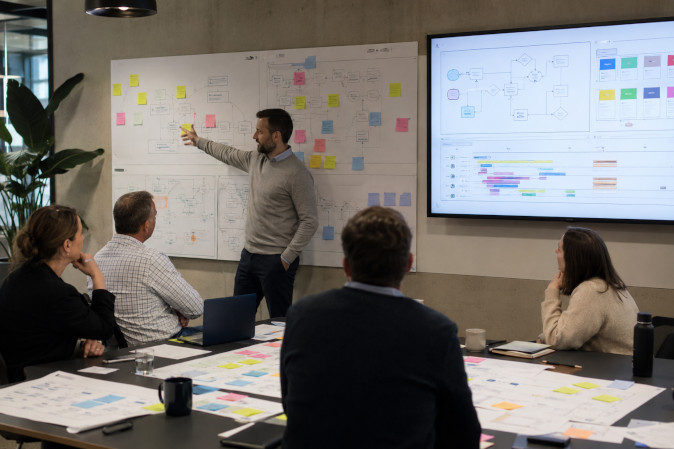
We reviewed the current case management landscape, existing architecture material and emerging business requirements to build a clearer view of the case management challenge.
The work considered both the business and technology implications. This included current pain points, candidate phase one case types, likely process impacts, data requirements, integration options, system boundaries, risks, assumptions and dependencies.
We helped shape the architecture recommendations needed for the first release. These included using ServiceNow CSM Pro on a new instance for customer case management, retaining the existing SAP CRM for phase one rather than attempting major change, using middleware between the CRM system and ServiceNow, trialling cloud-based integration services, creating an initial customer case canonical data model, and integrating case management data with the enterprise data platform for broader reporting and analytics.
We also helped make the delivery risks more visible. These included the risk of doing tactical work that would be hard to build on, CRM upgrade constraints, limited current process definition, ServiceNow operating model maturity, third-party owned telephony dependencies, and the need to avoid uncontrolled scope expansion into wider work management.
The output was not intended to be a detailed implementation design. It was closer to a practical mobilisation and funding input: what is in scope, what is not yet in scope, what decisions need to be made, and what needs to be understood before committing to delivery.
The work gave the client a clearer and more practical foundation for the next stage of its customer case management programme.
It clarified the likely shape of the MVP, the main architecture choices, the integration approach, the role of ServiceNow and the CRM system, the importance of a customer case data model, and the sequencing constraints that needed to be managed.
It also helped separate short-term delivery from longer-term ambition. The client could see where phase one could add value for the contact centre, while still laying foundations for later integration with customer channels, reporting, work management and broader customer journey improvement.
The main outcome was a stronger basis for funding, mobilisation and governance. Rather than moving straight from fragmented processes into delivery, the client had a clearer view of the scope, dependencies, risks and decisions that needed to be controlled.
Architecture assessment, Business analysis, Case management, Integration architecture, Delivery planning